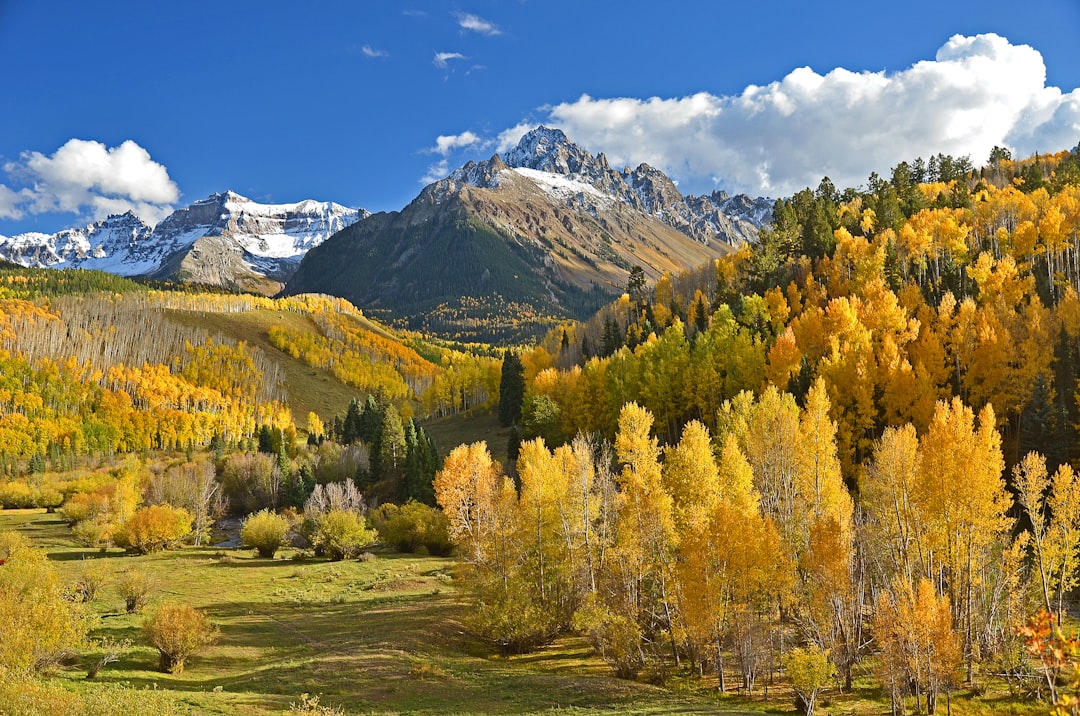
Rocky Mountain National Park preserves a rich biodiversity through habitat protection, controlled management, and minimal human impact. The park's four distinct life zones support diverse flora and fauna, from elk and black bears to rare birds and specialized alpine plants. Conservation strategies include trail closures, feeding restrictions, and education on responsible exploration, ensuring the park's ecosystems thrive for future generations. Visitors can contribute by adhering to designated trails, minimizing waste, and participating in citizen science, enhancing both conservation and satisfaction.
The Rocky Mountain National Park, a sprawling sanctuary of untouched wilderness, plays host to an astonishing array of flora and fauna. However, the park’s ecological integrity faces challenges from increasing human activity and climate change. Exploring and preserving this vital habitat requires a delicate balance between conservation efforts and visitor experience. This article delves into the complexities of managing Rocky Mountain National Park as a wildlife refuge, offering insights into innovative strategies to safeguard its diverse ecosystem while ensuring accessible enjoyment for future generations.
Discovering the Refuge's Rich Biodiversity

Rocky Mountain National Park is a haven for wildlife enthusiasts, boasting an astonishing array of biodiversity within its expansive boundaries. This ecological richness is a primary draw for visitors seeking to immerse themselves in the park’s natural wonders. The refuge system within the park serves as a critical network of protected habitats, supporting an impressive variety of plant and animal species. From majestic mountain peaks to serene alpine meadows, each micro-environment fosters unique life forms, contributing to the overall ecological balance.
One of the standout features is the diverse range of mammal species. Elk, with their majestically antlered statures, are a familiar sight in the park, and their populations have been carefully managed for conservation. Additionally, visitors can spot mule deer, black bears, and even the elusive mountain lion. The refuges provide crucial nesting grounds and foraging areas, ensuring these animals thrive in a controlled environment. Birdwatchers will be delighted by the variety of avian life, including rare species like the Colorado bird of prey, the golden eagle. The park’s rich avian diversity makes it a prime location for enthusiasts to observe and study these feathered wonders.
In terms of conservation efforts, Rocky Mountain National Park has implemented strategies to preserve this biodiversity. These include controlled wildlife management practices, habitat restoration projects, and strict enforcement of visitor regulations to minimize human impact. By protecting these natural habitats, the park ensures that future generations can experience the same ecological richness that attracts visitors today. For outdoor enthusiasts, exploring these refuges offers a unique opportunity to connect with nature and gain a deeper understanding of the delicate balance that exists within this stunning landscape.
Exploring Unique Ecosystems Within the Park

Rocky Mountain National Park is a treasure trove of diverse ecosystems, each teeming with unique flora and fauna. Exploring these habitats offers a profound connection to nature. The park encompasses four distinct life zones, ranging from subalpine forests to alpine tundra, allowing visitors to traverse through various ecological landscapes. For instance, the lower elevation areas are home to mule deer and black bears, while the treeline provides habitat for pika and various bird species. As elevations rise, vegetation transitions from dense conifers to dwarf shrubs and lichens, reflecting the challenging conditions these organisms have adapted to.
One of the park’s most captivating features is the alpine ecosystem above the tree line. Here, rugged mountains and barren slopes host specialized plants like saxifrage and lupine, which thrive in the harsh, wind-swept environment. This extreme altitude presents a unique challenge for wildlife, with many species having adapted to survive low oxygen levels and cold temperatures. For adventurers, hiking to these high regions offers a chance to witness rare wildlife and experience breathtaking vistas. It’s essential to respect these delicate ecosystems by staying on designated trails and following guidelines to minimize impact.
Understanding the park’s diverse ecosystems provides a deeper appreciation for the natural world. Visitors can engage in research-backed activities like wildlife watching, plant identification, or even participating in citizen science projects. These efforts contribute to ongoing conservation work. By embracing the opportunity to explore these unique habitats responsibly, visitors become stewards of this precious wilderness, ensuring its preservation for future generations.
Understanding Conservation Efforts and Rules

The Rocky Mountain National Park, a haven for wildlife enthusiasts and nature lovers, boasts an extensive refuge system designed to protect and preserve its diverse ecosystems. Understanding the conservation efforts and adhering to the park’s rules is paramount for visitors to ensure the long-term health of these sensitive environments. The park’s management strategy encompasses various initiatives, from habitat restoration projects to regulated visitor activities, all aimed at maintaining ecological balance.
One key aspect of these efforts is the implementation of controlled access areas, where human interactions with wildlife are carefully monitored. For instance, certain trails may be temporarily closed during mating seasons to prevent disturbances to animal behavior. Additionally, the park’s regulations strictly prohibit feeding wild animals, a practice that can lead to unhealthy dependencies and alter natural behaviors. These rules reflect the expertise of conservationists who emphasize the importance of allowing species to follow their natural rhythms without human intervention.
Visitors must also be aware of their impact on the refuge’s delicate settings. Simple actions like staying on designated trails and properly disposing of waste contribute significantly to minimizing environmental degradation. The park offers educational programs and signs throughout the refuge, guiding visitors on sustainable practices. For instance, during peak seasons, signs direct hikers to use alternative routes to alleviate pressure on sensitive plant life. These measures demonstrate a proactive approach to conservation, ensuring that Rocky Mountain National Park remains a vibrant sanctuary for generations to come.
Experiencing Wildlife Through Responsible Observation

The Rocky Mountain National Park offers a diverse ecosystem teeming with wildlife, providing visitors an extraordinary opportunity to connect with nature. Responsible wildlife observation is key to experiencing this biodiversity up close while minimizing disruption to these delicate habitats. Visitors can expect to encounter numerous species, from elusive elk and moose to smaller creatures like pikas and birds of prey. The park’s vast wilderness encompasses over 400 square miles, allowing for a range of natural behaviors to unfold before curious eyes.
Expert tip: Focus on silent observation techniques to avoid startling animals. Use binoculars to observe from a distance, respecting their space. Remember, these are wild creatures, and their well-being should always be prioritized over fleeting photo opportunities. The park offers guided nature walks and wildlife tracking programs led by experienced rangers, providing valuable insights into the local fauna without causing disturbance. These educational experiences teach visitors how to identify various species and understand their role in the ecosystem.
Data shows that responsible tourism has a positive impact on both wildlife and visitor satisfaction. A study conducted by the park service revealed that 95% of visitors reported enjoying a memorable wildlife sighting, with over 70% expressing increased appreciation for nature conservation efforts. To ensure a sustainable experience, visitors are encouraged to follow established trails, maintain a safe distance from animals, and never feed them. By adhering to these guidelines, visitors can contribute to the park’s mission of preserving its unique ecological heritage while creating lasting memories.