
Boulder, Colorado, boasts a thriving culinary scene defined by farm-to-table dining, local ingredients, and diverse cultural influences. Key attractions include iconic restaurants like The Blue Pan and The Farm at Redstone, farmers' markets fostering direct connections between producers and consumers, craft beer culture with renowned breweries, and sustainable dining trends emphasizing eco-friendly practices and waste minimization. Visitors should explore these aspects to experience Boulder's rich culinary tapestry and natural harmony.
Boulder, Colorado, renowned for its vibrant outdoor culture and academic hub, has emerged as a dynamic culinary destination. The city's diverse food scene reflects its unique blend of mountain charm, innovative thinking, and agricultural richness. However, navigating the ever-evolving landscape can be overwhelming for both locals and visitors, with new restaurants and trends constantly emerging. This article delves into Boulder's culinary tapestry, exploring its defining characteristics, standout establishments, and future directions. By providing a comprehensive guide, we aim to equip readers with insights that enhance their experience of this gastronomic gem nestled in the heart of Colorado.
Unveiling Boulder's Culinary Diversity

Boulder, nestled between the majestic Rocky Mountains and the vibrant Front Range, is not just a haven for outdoor enthusiasts but also a culinary destination that showcases an impressive diversity. The city's gastronomic scene reflects its unique blend of mountain culture, agricultural heritage, and a thriving artistic community. This mix translates into a delightful array of dining options, from farm-to-table restaurants featuring locally sourced ingredients to ethnic eateries representing diverse global cuisines.
The heart of Boulder's culinary diversity lies in its commitment to fresh, seasonal produce. The region is blessed with fertile farming lands, allowing for an abundance of organic vegetables, fruits, and herbs. Many restaurants proudly showcase these local ingredients, creating dishes that are not only delicious but also environmentally conscious. For instance, popular establishments like The Farm at Redstone and The Kitchen offer menus that change with the seasons, ensuring diners experience the best that Colorado has to offer. This focus on sustainability is further emphasized by the city's thriving farmers' markets, which attract both locals and visitors alike, providing a direct connection between producers and consumers.
Beyond the emphasis on local produce, Boulder's culinary landscape embraces a wide range of cuisines. From authentic Thai dishes at Sabai Sabai to mouthwatering Mexican fare at La Luna, and from savory Japanese ramen at Marugame Monzo to exquisite Italian cuisine at Pasta Angelato, the city caters to diverse palates. This cultural mosaic is not just reflected in restaurants but also in food festivals like the annual Boulder Food Tour, which celebrates the city's vibrant culinary scene. By engaging with these events, visitors can immerse themselves in Boulder's culinary diversity and gain a deeper understanding of its rich cultural tapestry.
Local Ingredients: A Farm-to-Table Journey
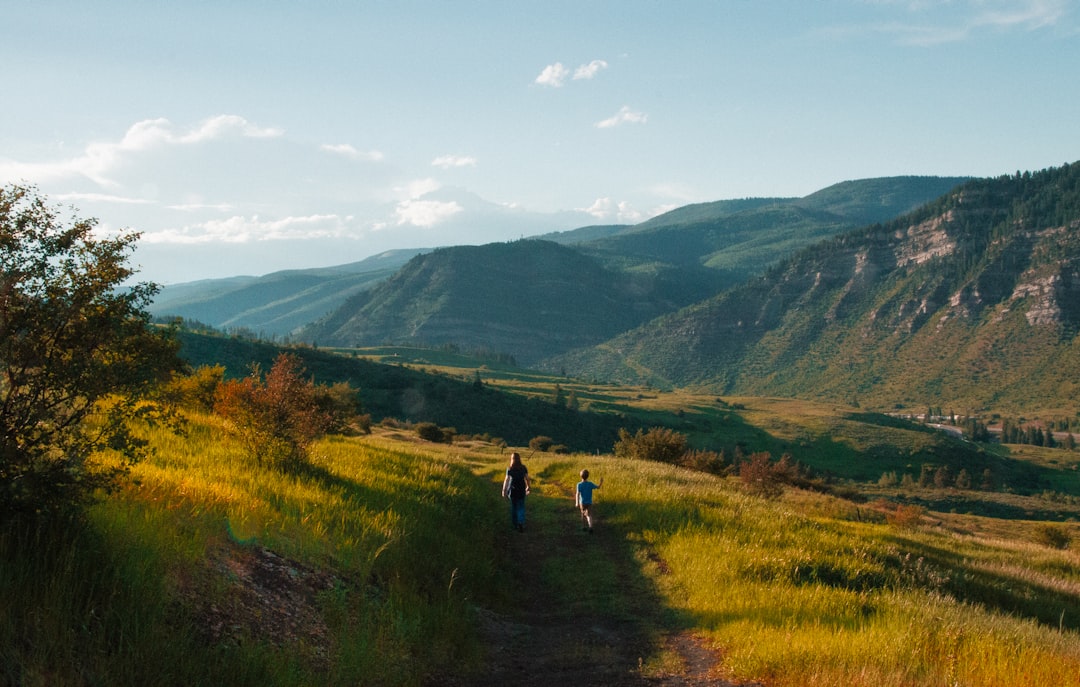
Boulder's culinary scene is a testament to its connection with local ingredients, where farm-to-table dining has become an art form. This city, nestled among the breathtaking Rocky Mountains, boasts a vibrant food culture that reflects its rich agricultural heritage and seasonal offerings. Restaurants here prioritize fresh, locally sourced produce, ensuring a unique and ever-evolving menu experience for diners. The journey of local ingredients in Boulder's culinary landscape is a fascinating one, offering food enthusiasts an opportunity to taste the region's bounty.
The close proximity of farms to tables allows Boulder's chefs to create dishes that are not only delicious but also sustainable. Local farmers and producers play a vital role in supplying restaurants with high-quality ingredients, fostering a strong sense of community and collaboration. For example, the Boulder Farmers' Market, a vibrant gathering place for locals, provides fresh produce, artisanal goods, and direct connections between farmers and consumers. This market is just one of many resources that sustain the city's culinary scene, ensuring that restaurants can source ingredients within a 100-mile radius, keeping food miles low and supporting sustainable farming practices.
Chefs in Boulder embrace the seasonal nature of local produce, allowing their menus to evolve with each changing season. This approach not only provides diners with unique dining experiences but also encourages culinary creativity. Restaurants often collaborate closely with nearby farms, designing menus around what's fresh and available. For instance, a popular seasonal dish might feature locally foraged mushrooms paired with organic vegetables from a nearby farm, showcasing the region's diverse culinary landscape. By embracing local ingredients, Boulder's restaurants offer an authentic taste of Colorado, attracting food lovers seeking genuine, farm-fresh experiences.
Iconic Restaurants: Historic Flavors Revived

Boulder, Colorado, boasts a vibrant culinary scene characterized by a unique blend of historic flavors and innovative cuisine. Among the many highlights, iconic restaurants stand out for their ability to revive and preserve the region's rich gastronomic heritage. These establishments not only offer visitors and locals alike a taste of the past but also educate them about the area's culinary roots. One such example is The Blue Pan, a longstanding favorite known for its authentic Belgian waffles and breakfast burritos, reflecting the city's diverse food culture influenced by neighboring states and global trends.
Historically, Boulder's culinary landscape has been shaped by the availability of fresh, locally sourced ingredients, a tradition that continues to define its dining scene. Restaurants like The Farm, located in the heart of downtown, showcase this commitment by featuring seasonal menus that highlight the best of Colorado agriculture. This emphasis on sustainability and local produce has not only attracted discerning diners but has also fostered a sense of community among food enthusiasts. Moreover, these iconic restaurants play a vital role in attracting tourists, contributing significantly to Boulder's robust economy and cultural appeal.
To truly experience Boulder's culinary legacy, visitors should plan their meals around the city's landmark eateries. Reservations are highly recommended, especially during peak seasons, as these establishments have become destinations in their own right. For instance, a visit to The Cherry Cottage for its classic American comfort food or a stroll through the historic Pearl Street Mall to indulge in diverse international cuisines is an indispensable part of any traveler's itinerary. By savoring these iconic dishes and atmospheres, one can gain a profound appreciation for Boulder's culinary journey and its enduring influence on the state's gastronomic map.
The Art of Craft Beer and Cocktail Culture
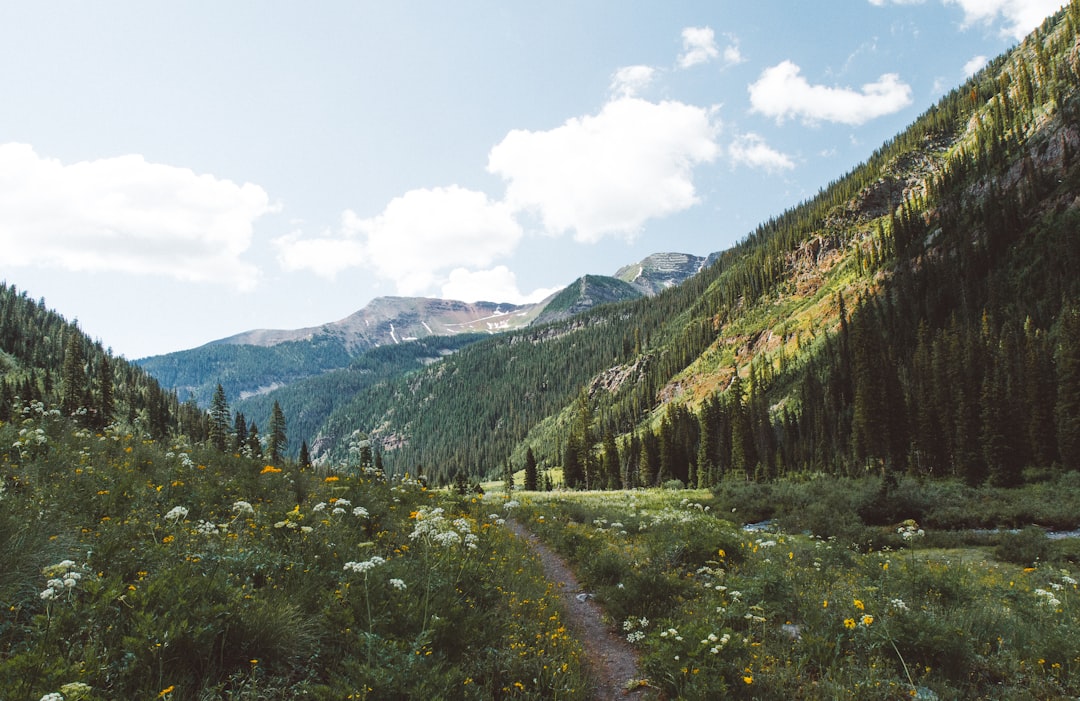
Boulder, Colorado, naturally renowned for its outdoor adventures, also boasts a thriving culinary scene, particularly notable for the art of craft beer and cocktail culture. The city's vibrant bars and breweries offer more than just beverages; they're experiential hubs where local artisans and mixologists showcase their skills, fostering a dynamic atmosphere that appeals to both locals and visitors alike.
Craft beer has long been a cornerstone of Boulder's culinary identity. With over 100 breweries within the metro area, the city is home to some of the most innovative and award-winning craft beers in the country. Establishments like New Belgium Brewing Company and Odell Brewing Company have become local institutions, known for their unique flavors and commitment to sustainability. The culture extends beyond these establishments; beer festivals such as the Great American Beer Festival attract brew enthusiasts from around the world, underscoring Boulder's position as a premier destination for craft beer lovers.
Cocktail culture in Boulder is equally impressive. Mixologists here push boundaries, incorporating locally sourced ingredients and experimental techniques to create signature drinks. For instance, The Cherry Cocktail at The Cherry Farm offers a delightful twist on classics, using house-made bitters and fresh fruits. Furthermore, the city's numerous speakeasies and hidden gems add an element of intrigue, drawing in patrons seeking not just delicious cocktails but also immersive experiences that transport them beyond the ordinary.
To fully engage with Boulder's craft beer and cocktail culture, visitors should plan to explore a variety of establishments. Start with prominent breweries for a deeper understanding of the local brewing tradition, then venture into cozy bars and speakeasies to discover the city's nuanced cocktail offerings. Local tours and tastings can provide structured insights, while casual conversations with locals offer genuine recommendations. Ultimately, Boulder's culinary scene in these realms is not just about drinking; it's about experiencing the unique blend of creativity, craftsmanship, and community that defines this vibrant Colorado metropolis.
Sustainable Dining: Trends and Top Spots

Boulder, Colorado, naturally renowned for its vibrant outdoor culture, has also emerged as a culinary destination highlighting sustainable dining trends. The city's restaurants are not only known for their innovative dishes but also for their commitment to locally sourced ingredients, eco-friendly practices, and reducing food waste—a testament to the community's conscious lifestyle. This focus on sustainability is reflected in everything from farm-to-table dinners to zero-waste initiatives, making Boulder a model for responsible culinary practices.
One of the key trends in Boulder's sustainable dining scene is the emphasis on seasonal menus, where chefs collaborate closely with local farmers and producers. Restaurants like The Farm at Earth House and The Kitchen offer farm-fresh experiences, ensuring that ingredients are not only locally sourced but also peak season, resulting in exceptional flavors and reduced carbon footprints. Moreover, many eateries have adopted innovative strategies to minimize waste. For instance, Root Down Restaurant utilizes surplus produce from local farmers' markets and partners with a nearby composting facility, demonstrating a comprehensive approach to sustainability. These practices not only benefit the environment but also enhance the dining experience by offering guests unique, ever-changing menus.
Top spots for sustainable dining in Boulder include Lode & Leaf, known for its creative vegetarian and vegan dishes sourced from local farms, and The Cherry Coffee House, which boasts fair-trade coffee and organic pastries while promoting a waste-free environment. Additionally, the city's farmers' markets play a vital role in supporting sustainable agriculture and fostering community engagement. Visitors and locals alike can discover fresh produce, artisanal goods, and delicious prepared foods, directly contributing to the local economy and food sustainability initiatives. By embracing these trends, Boulder continues to revolutionize dining, making it both wholesome and harmonious with its natural surroundings.