Colorado's Boulder County and Estes Park region boast diverse hiking trails showcasing breathtaking waterfalls accessible year-round. Optimal viewing is in spring and early summer. Essential gear includes waterproof clothing, and trail conditions should be checked before visiting. Responsible hiking practices, such as adhering to Leave No Trace principles, preserve these natural wonders for future generations. Eco-conscious tourism and community involvement are key to sustaining Colorado's iconic waterfalls and their delicate ecosystems.
Colorado’s breathtaking landscapes offer a plethora of hiking trails, especially near Estes Park and Boulder County, renowned for their stunning waterfalls. These natural wonders attract outdoor enthusiasts seeking immersive experiences in the heart of some of the state’s most picturesque locations. However, finding the best trails can be daunting, given the vast options and varying skill levels. This article aims to guide you through the top hiking trails renowned for their cascading waterfalls, catering to both novice and experienced hikers. Our expert insights will ensure an unforgettable journey amidst Colorado’s natural beauty.
Exploring Boulder County's Waterfalls: A Hiker's Paradise

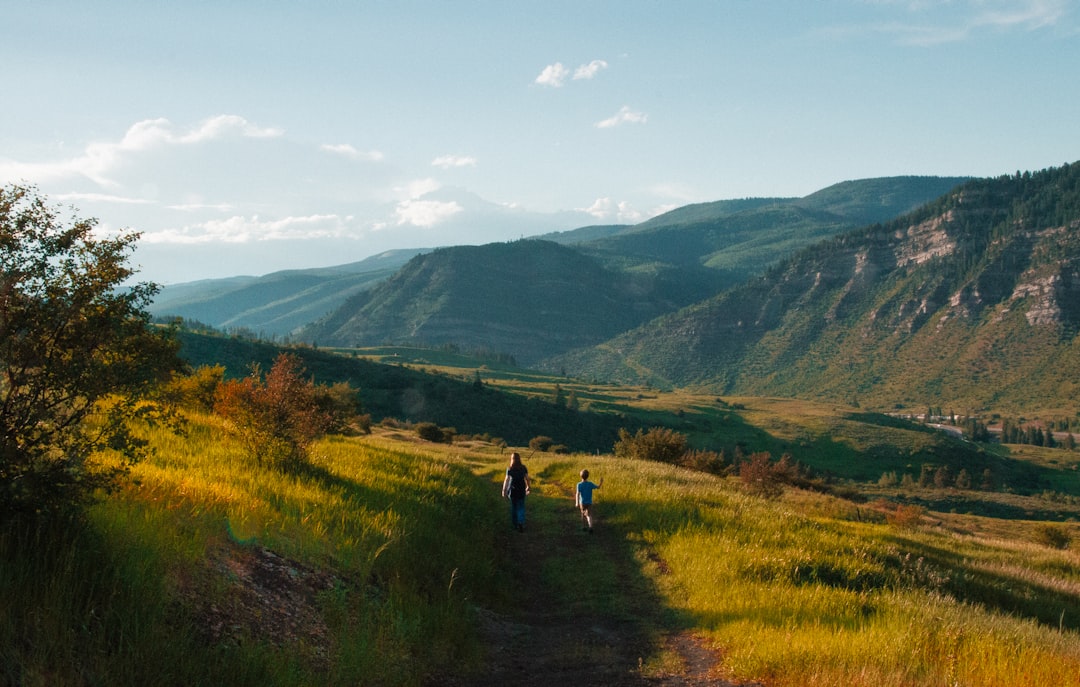
Boulder County is a hiker’s paradise, boasting an abundance of breathtaking waterfalls that cascade through lush forests and dramatic mountain ranges. For those seeking to immerse themselves in Colorado’s natural beauty, exploring these cascading wonders offers an unforgettable experience. The trails near Estes Park and Boulder County are particularly renowned for their diverse ecosystems and stunning vistas.
One standout route is the Fall River Trail, which meanders through a verdant canyon and presents breathtaking views of towering waterfalls. This moderate hike near Rocky Mountain National Park allows access to several cascading falls, with the highlight being the impressive 150-foot Fall River Falls. Another favorite among outdoor enthusiasts is the Bear Creek Falls Trail, located just outside Boulder. This relatively easy walk leads to a picturesque waterfall that drops over a sandstone cliff, creating a misty atmosphere that feels like a fairy tale come to life. For more adventurous hikers, the Devil’s Head Trail offers a challenging climb with rewarding views of cascading waterfalls and rugged terrain.
When planning your waterfall adventure, consider spring and early summer for optimal water flow. Be prepared with sturdy hiking gear, including waterproof clothing, as trails can become slick with moisture. Remember to check trail conditions and water levels before setting out, especially during peak seasons. Exploring these natural wonders not only promises unforgettable memories but also fosters a deeper connection with Colorado’s diverse ecosystems.
Top Trails Near Estes Park: Natural Wonders Unveiled

Estes Park and Boulder County are blessed with some of Colorado’s most breathtaking landscapes, offering hikers an abundance of trails weaving through lush forests and alongside towering waterfalls. Among these, a select few stand out for their unparalleled natural beauty and accessibility. The Trail Ridge Road near Estes Park presents a spectacular journey, providing panoramic views of the Rocky Mountains and the opportunity to spot majestic waterfalls cascading from lofty peaks. For those seeking a more moderate trek, the Fall River Trail offers a serene walk through a lush canyon, where the rhythmic roar of water signals the presence of hidden waterfalls waiting to be discovered.
The Lory State Park, just west of Estes Park, is another gem worth exploring. Its diverse trail system ranges from easy strolls along the riverbank to challenging hikes that lead to cascading falls like the picturesque Willow Lake Falls. Moreover, the park’s proximity to Rocky Mountain National Park allows hikers to access even more trails featuring dramatic waterfalls, such as the iconic Bear Lake Trail, which winds through a lush forest and culminates in a stunning view of a waterfall cascading into a crystal-clear lake.
When planning your hiking adventures, remember that spring and early summer often bring the most vibrant waterflow, while fall colors can add an extra layer of enchantment. Ensure you check trail conditions and weather forecasts before setting out, as some trails may close due to high water or hazardous conditions. Always follow Leave No Trace principles to preserve these natural wonders for future generations, and consider carrying a map or using reliable GPS apps for navigation.
The Best of Colorado Waterfalls: Accessibility and Beauty

Colorado is renowned for its breathtaking landscapes and diverse ecosystems, offering a plethora of hiking trails that meander through lush forests and cascade down rugged mountain ranges. Among these, waterfalls stand out as captivating natural wonders that attract adventurers and nature enthusiasts from across the globe. In the heart of Estes Park and Boulder County, hikers are treated to some of the most accessible and visually stunning waterfall experiences in the state.
The Best of Colorado’s Waterfall Trails offer a unique blend of natural beauty and accessibility, catering to hikers of all skill levels. One standout trail is the Fall River Trail near Estes Park, which takes you through a verdant forest alongside a crystal-clear stream, culminating at the base of a magnificent 150-foot waterfall. This relatively easy hike is a popular choice for families and those seeking an immersive yet manageable outdoor experience. Similarly, the Devil’s Head Trail in Boulder County presents a moderate challenge, rewarding hikers with panoramic views of towering peaks and the turquoise waters of Bear Creek Falls, which tumbles over a 60-foot cliff.
For more adventurous souls, exploring less-traveled routes can unveil hidden gems. The Longs Peak Trail, though strenuous, offers a chance to witness the majestic Longs Peak and its cascading waterfalls during the summer months. These trails not only provide access to some of Colorado’s most striking waterfalls but also contribute to the preservation of this precious natural heritage. By following established routes and practicing responsible hiking, visitors can ensure these iconic landscapes remain intact for future generations to appreciate and enjoy.
Hiking Tips for Waterfall Adventures in Rocky Mountains

The Rocky Mountains near Estes Park and Boulder County are a hiker’s paradise, offering some of Colorado’s most breathtaking waterfall adventures. When planning your trek, remember that these trails range from easy to challenging, so choose according to your fitness level and experience. Always check trail conditions and weather forecasts before setting out. The high altitude can be demanding; acclimate if you’re new to the region.
Waterfall hikes often involve navigating diverse terrain, including steep ascents, rocky paths, and sometimes river crossings. Wear appropriate footwear with good traction for stability on wet or loose surfaces. Bring layers of clothing—including a waterproof jacket—to adapt to changing weather conditions. A map and compass are essential tools; consider carrying a GPS device for navigation. Always inform someone of your hiking plans and expected return time.
Safety first: Pay attention to trail markers, especially near riverbeds where erosion can cause sudden changes in path. Be mindful of your surroundings, as hidden dangers like slippery rocks or fallen trees can occur. Keep a safe distance from waterfalls to avoid being struck by spray or falling debris. Remember, these natural wonders are beautiful but powerful; respect their force and the environment around them.
Eco-Friendly Practices for Preserving Colorado's Natural Wonders

The beauty of Colorado’s natural wonders, including its iconic waterfalls, is a precious resource that requires careful stewardship. As visitors flock to hiking trails near Estes Park and Boulder County, eco-friendly practices are essential to preserving this delicate ecosystem. One key strategy involves educating hikers on responsible trail use, such as staying on designated paths to minimize soil erosion and preserving the native vegetation.
Local organizations and park rangers play a vital role in promoting sustainable behaviors. For instance, the Rocky Mountain National Park offers workshops on Leave No Trace principles, empowering visitors with knowledge about proper waste disposal, water conservation, and respecting wildlife habitats. By adhering to these practices, hikers can ensure that Colorado’s waterfalls and surrounding landscapes remain untouched for future generations.
Additionally, supporting eco-conscious tourism businesses contributes to the overall preservation effort. Many local outfitters and accommodations prioritize sustainability by utilizing renewable energy sources, implementing recycling programs, and offering shuttles to reduce traffic congestion. Examples include eco-friendly lodges that employ solar panels and native plant landscaping, fostering a harmonious relationship between visitors and the natural environment.
To further protect these natural wonders, community involvement is crucial. Residents and visitors alike can make a difference by advocating for strict land management policies, participating in cleanup events, and being mindful of their everyday choices. By embracing eco-friendly practices, we can ensure that Colorado’s waterfalls continue to dance proudly, undisturbed by human impact, for decades to come.