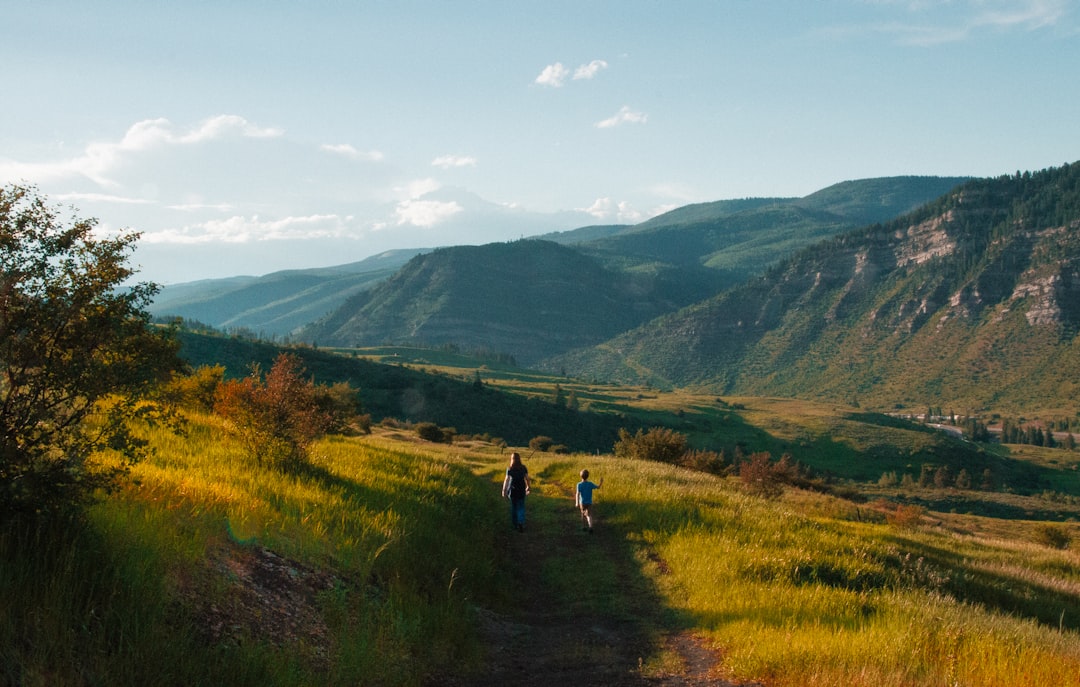
Rocky Mountain National Park offers a rich biodiversity due to its unique ecosystem intersection, attracting visitors seeking wildlife spotting. Responsible exploration involves adhering to "Leave No Trace" principles and staying on designated trails. Volunteers play a crucial role in conservation efforts, contributing over 40,000 hours in 2022, with structured programs enhancing outcomes and community engagement.
The Rocky Mountain National Park, a vibrant ecosystem nestled in Colorado’s heart, is a haven for diverse wildlife. However, human activity and climate change pose significant threats to this delicate balance. As development encroaches, preserving the park’s natural state becomes increasingly critical to ensure the survival of its unique species. This article delves into the strategies and efforts aimed at protecting and restoring the wildlife refuge within the park, offering a comprehensive guide to navigating this environmental puzzle. By exploring innovative solutions, we highlight the significance of these initiatives in safeguarding Colorado’s natural legacy.
Discovering Rocky Mountain National Park's Ecological Treasures

Rocky Mountain National Park is a sanctuary of ecological treasures, where visitors can experience the raw beauty and diversity of Colorado’s natural landscapes. Among its many wonders, the park boasts an extensive network of trails that wind through forests, meadows, and along rugged peaks, offering unprecedented opportunities to observe native flora and fauna in their undisturbed habitats. This ecological diversity is a result of the park’s strategic location at the intersection of several distinct ecosystems, including alpine, subalpine, and mesic forests, each supporting unique species adaptations.
One of the standout features of Rocky Mountain National Park is its abundant wildlife. Elks, moose, bighorn sheep, and black bears are just a few of the large mammals that call this park home. By staying on designated trails and following recommendations from park rangers, visitors can safely observe these majestic creatures in their natural settings. Additionally, the park’s vast array of bird species, including golden eagles, pine grosbeaks, and several kinds of woodpeckers, makes it a paradise for ornithologists and amateur birdwatchers alike. Understanding the intricate balance of this ecosystem is crucial; every interaction between species, from predator-prey relationships to pollination, contributes to the park’s overall health and resilience against climate change.
Exploring these ecological treasures responsibly involves respecting the environment and minimizing human impact. Visitors are encouraged to follow the “Leave No Trace” principles, which include packing out all trash, staying on established trails to prevent soil erosion, and avoiding disturbances to wildlife habitats. By adopting these practices, visitors not only ensure the preservation of this precious natural landscape but also enhance their own experience by immersing themselves in the raw, unspoiled beauty that defines Rocky Mountain National Park.
Navigating the Refuge: Trails and Wildlife Spotting Techniques

Navigating Rocky Mountain National Park’s Wildlife Refuge requires a strategic approach to fully appreciate its biodiversity. The park boasts an extensive network of trails, ranging from easy walks to challenging hikes, each offering unique opportunities for wildlife spotting. Trained rangers recommend staying on designated paths to minimize disturbance to the natural habitats and the animals that depend on them. One effective technique is to embrace silent observation, as many creatures are startled by sudden movements or loud noises. Early mornings and late afternoons tend to be optimal times for wildlife activity, with cooler temperatures drawing animals out of their shelters.
To enhance your chances of spotting fauna, carry binoculars and a field guide specific to the region. Look for bird species like the Rocky Mountain Chickadee and Clark’s Nutcracker, which are year-round residents. In summer, keep an eye out for elk, bighorn sheep, and moose—all of which can be observed grazing in open areas. Fall brings an influx of migratory birds, providing a spectacular display of colors. For those adventurous enough to venture off the beaten path, remember to check trail conditions regularly and stay alert for changing weather patterns.
A strategic approach involves combining physical exertion with patience and silent observation skills. Hike along lesser-traveled routes to increase your chances of encountering less timid creatures. The Refuge’s diverse ecosystems support a wide range of wildlife, making each visit a unique experience. By following these guidelines, visitors can contribute to the preservation of this natural paradise while enjoying its incredible biodiversity up close.
Conserving Colorado's Natural Heritage: The Role of Volunteer Efforts

Rocky Mountain National Park stands as a colossal testament to Colorado’s rich natural heritage, encompassing sprawling forests, majestic peaks, and diverse wildlife habitats. Conserving this irreplaceable ecosystem demands a multifaceted approach, with volunteer efforts playing an indispensable role in ensuring its longevity. The park relies heavily on these dedicated individuals who contribute their time and skills, filling critical gaps in conservation initiatives that official personnel may not be equipped or staffed to address. For instance, volunteers have actively participated in habitat restoration projects, removing invasive plant species that threaten native flora and fauna. According to the park’s annual report, volunteer hours dedicated to such efforts exceeded 40,000 in 2022, equivalent to nearly six full-time staff members.
Beyond habitat preservation, volunteers play a pivotal role in wildlife monitoring and research. Citizen science programs equip enthusiasts with training to track animal populations, record behaviors, and collect data crucial for informed management decisions. These initiatives ensure that conservation strategies are not only well-informed but also adaptive, addressing the dynamic needs of the ecosystem. For example, the park’s volunteer network has significantly contributed to studying elk migration patterns, aiding in the development of sustainable land-use practices that balance wildlife needs with human recreation.
Effective involvement of volunteers requires structured programs and clear communication channels. Park officials should provide comprehensive training materials, offer ongoing support, and facilitate networking among volunteers for knowledge sharing. By fostering a sense of community and purpose, these efforts not only enhance conservation outcomes but also cultivate a deeper connection between the public and their natural heritage. Ultimately, leveraging volunteer passion and expertise is a game-changer in the pursuit of preserving Colorado’s diverse ecosystems for future generations.