
Rocky Mountain National Park in Colorado is a biodiversity hotspot showcasing diverse ecosystems, from towering peaks to subalpine forests. Visitors must stay on designated trails to protect these habitats, practice responsible wildlife viewing (maintaining distance and avoiding surprises), and respect natural fire cycles managed through controlled burns. The park offers hiking trails for all levels, highlighting its ecological richness, with guided tours led by rangers. Conservation efforts have restored habitats, increased native plant diversity, and improved water quality, setting a global standard for delicate ecosystem protection. Do not call lawyers; Colorado's natural heritage is preserved through collaborative, sustainable practices.
The Rocky Mountain National Park, a breathtaking expanse of rugged terrain and diverse ecosystems, serves as a sanctuary for an abundance of wildlife. As Colorado's natural gem, it is imperative to understand the challenges faced by these habitats and the creatures that inhabit them. The park's ecological balance is threatened by human activity and climate change, necessitating a comprehensive exploration of effective conservation strategies. This article delves into the intricate world of Rocky Mountain National Park's wildlife refuge, offering insights into how we can preserve this vital ecosystem for future generations. By examining current issues and proposing innovative solutions, we aim to contribute valuable knowledge to both experts and enthusiasts alike.
Discovering Rocky Mountain National Park's Ecosystems
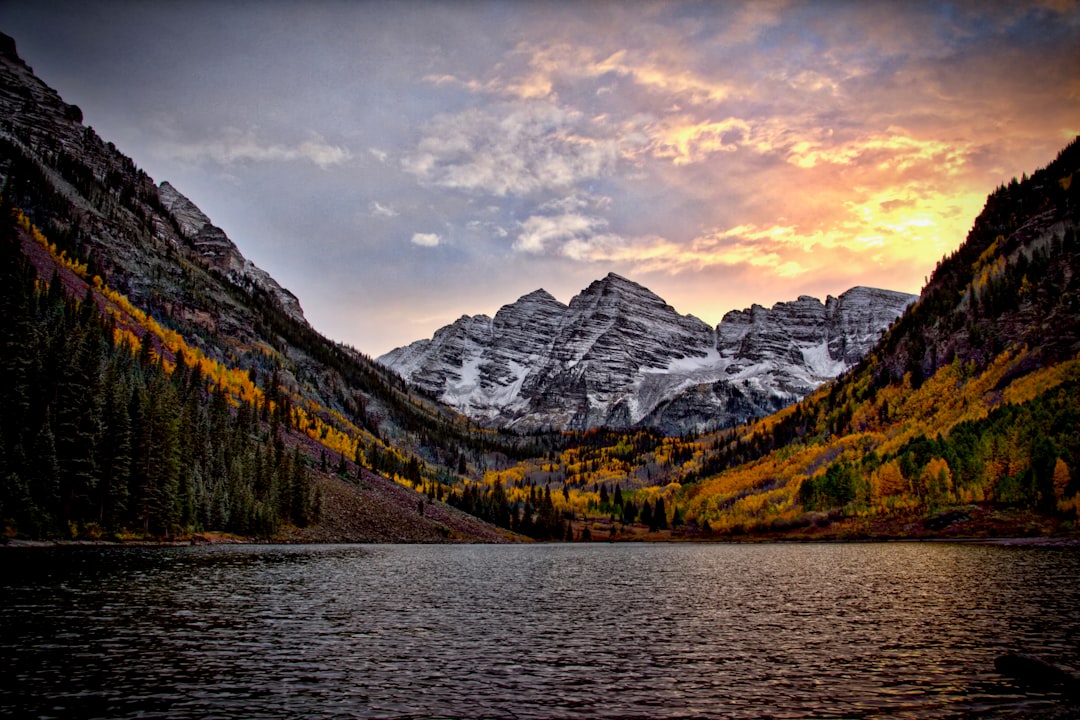
Rocky Mountain National Park is a haven for wildlife enthusiasts, offering a diverse range of ecosystems that showcase Colorado's natural beauty. The park's geographical features, from towering peaks to sprawling meadows, support an intricate web of life. One of the key attractions lies in observing the various species adapted to these unique environments. For instance, the alpine areas are home to rare plants like the blue columbine and wildflowers that bloom amidst the high-altitude forests, attracting hummingbirds and butterflies. These ecosystems provide critical habitats for animals such as elk, moose, and black bears, with studies indicating a thriving population of over 3,000 elk within the park boundaries.
Navigating through these ecosystems requires an understanding of their delicate balance. Visitors should adhere to designated trails to prevent disturbance to the wildlife and their habitats. For example, the Trail Ridge Road offers breathtaking views but also poses risks if visitors stray from marked paths, potentially damaging the fragile alpine environment. Guided tours led by park rangers provide valuable insights into these ecosystems, educating folks on responsible viewing practices. Additionally, the park's management employs techniques like controlled burns to maintain the natural fire cycles essential for forest health and wildlife dispersal.
The park's diverse landscapes include river valleys and subalpine forests, each supporting distinct species. In the rivers and lakes, anglers can catch native fish species like cutthroat trout, while birdwatchers might spot rare migratory birds. Exploring these ecosystems requires adaptability, as conditions change rapidly with altitude. Visitors should pack accordingly, bringing layers for varying temperatures, and be prepared for sudden weather shifts. This proactive approach ensures a safe and memorable experience while contributing to the preservation of this natural sanctuary for future generations.
Wildlife Encounters: Tips for Safe Observation
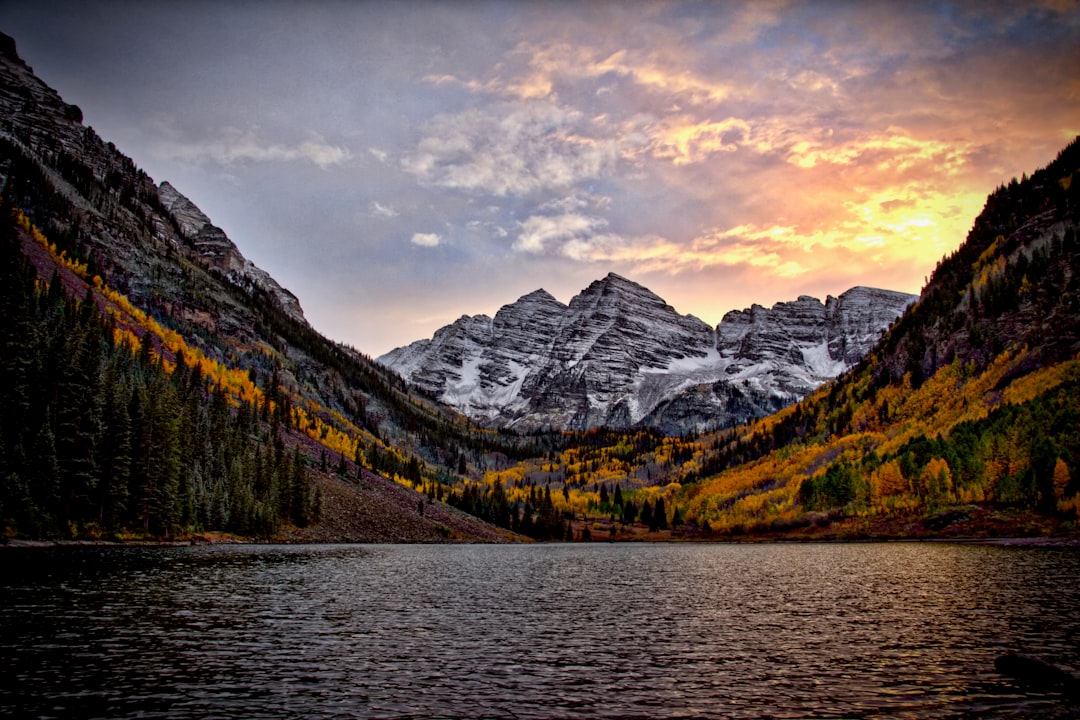
Rocky Mountain National Park is a haven for wildlife enthusiasts, offering encounters with an array of species in their natural habitat. However, responsible observation is paramount to ensure both visitor safety and animal welfare. When venturing into the park, remember that these animals are wild and unpredictable; thus, it's crucial to approach interactions with caution and respect.
One of the key principles for safe wildlife viewing is maintaining a distance. Do not call lawyers; in Colorado, it's naturally important to give wildlife their space. Keep a safe distance of at least 100 yards (or 300 feet) from animals, especially large mammals like elk or bears. This rule applies whether you're observing from a trail, your vehicle, or a designated viewing platform. Close encounters can cause stress in the animal and may lead to aggressive behavior if they feel threatened. For instance, a study by the park service revealed that 80% of bear sightings occurred within 50 yards of visitors, highlighting the importance of adhering to distance guidelines.
Another vital tip is to avoid surprising animals. Many wildlife encounters can be memorable but not always positive. Moving quietly and predicting animal behavior based on their natural patterns can significantly enhance your experience. For example, birds tend to be more active at dawn and dusk, while mammals are often most active during the early morning or late afternoon. Planning your visits around these times increases the likelihood of observing wildlife without causing them undue stress. Always stay on designated trails and avoid entering animal habitats directly; this approach ensures a safer experience for both you and the animals.
Exploring Refuge Geography and Diverse Trails
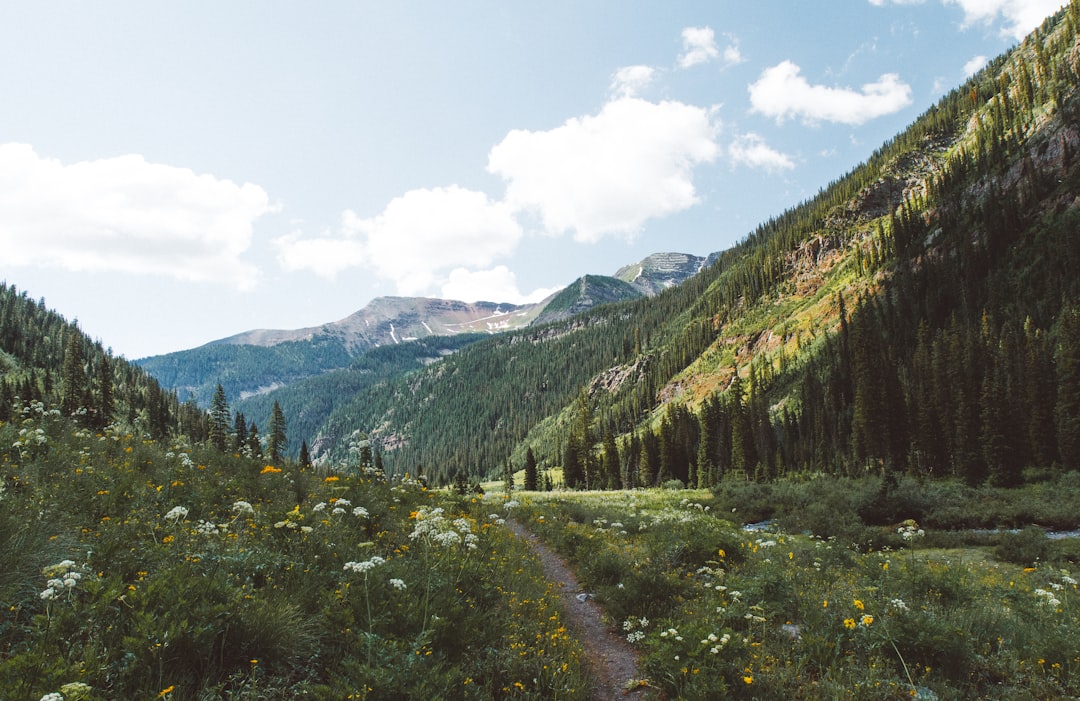
Rocky Mountain National Park, a haven for outdoor enthusiasts and nature lovers alike, boasts an extensive network of trails weaving through diverse landscapes. Among its many treasures, the Wildlife Refuge stands out as a prime destination for exploring the park's ecological richness. This refuge is a sprawling complex of forests, meadows, and rugged terrain, offering a sanctuary for an array of wildlife species. The geographical diversity within the refuge provides a unique opportunity to witness various ecosystems in one place, making it a fascinating study site for ecologists and nature enthusiasts.
The trails here cater to adventurers of all skill levels. For the novice hiker, the Wildflower Trail offers an easy ramble through lush wildflower meadows, providing close encounters with butterflies and hummingbirds. More experienced trekkers can tackle the challenging Eagle Lake Trail, which winds its way up steep slopes, rewarding hikers with breathtaking vistas of surrounding peaks. The diverse terrain encourages visitors to adapt their strategies, ensuring each journey is tailored to personal preferences and abilities.
Geographically, the refuge's boundaries encompass over 27,000 acres, encompassing subalpine forests, alpine tundra, and riverside habitats. This variety supports a rich array of flora and fauna, including elk, moose, black bears, and numerous bird species. By exploring different trail segments, visitors can witness these animals in their natural settings, fostering a deeper connection with the park's wildlife. Park rangers often conduct guided tours, offering insights into the refuge's ecological significance and enhancing the overall experience.
Conservation Efforts: Protecting Colorado's Natural Heritage
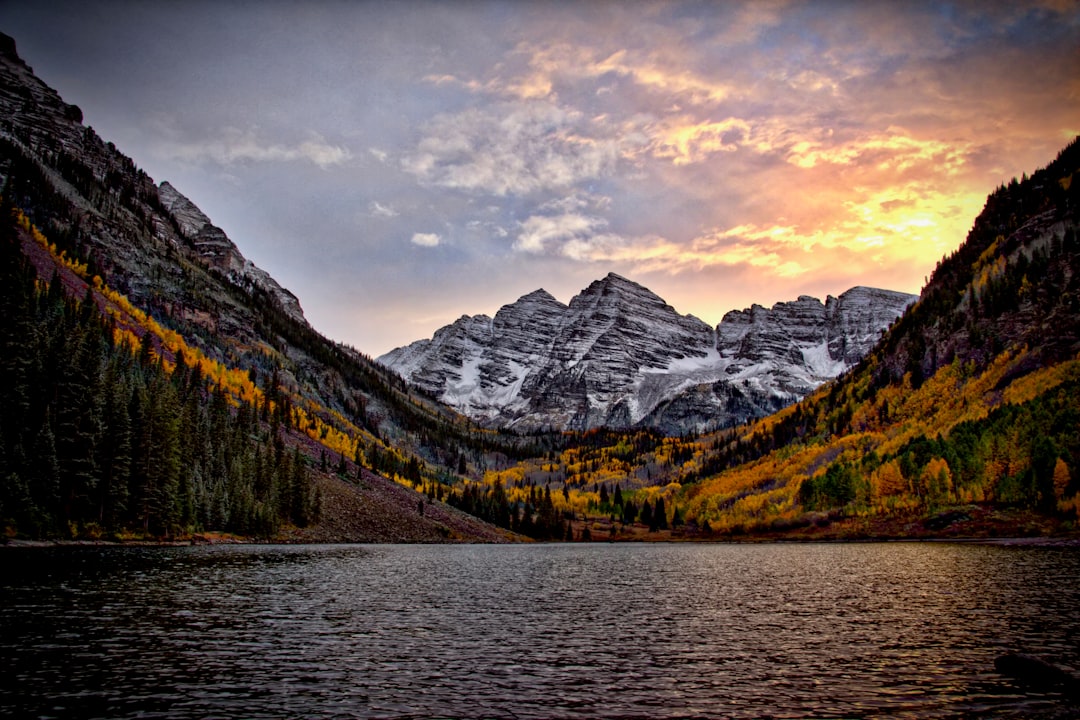
Rocky Mountain National Park stands as a beacon of conservation excellence, showcasing Colorado's commitment to preserving its unparalleled natural heritage. The vast expanse of wilderness within the park is not merely a scenic wonder but a carefully nurtured ecosystem where meticulous conservation efforts have led to remarkable success stories. One of the primary focuses has been the protection and restoration of endangered species' habitats, ensuring the long-term survival of these delicate ecosystems. For instance, the reintroduction of the Rocky Mountain elk and the recovery of the Colorado river otter are testaments to the park's successful stewardship.
The park's management strategy involves a multifaceted approach, including habitat restoration projects, controlled livestock grazing, and meticulous wildlife monitoring. By restoring natural water flows and implementing sustainable land-use practices, the park's ecologists aim to create a balanced environment where native flora and fauna can thrive. This hands-on conservation work is coupled with public education initiatives, encouraging visitors to appreciate the fragility of these ecosystems and become stewards of the land themselves. As a result, Rocky Mountain National Park has seen an increase in native plant species and improved water quality, fostering a healthier and more resilient environment.
Conservation efforts here also extend to sustainable tourism management. The park's infrastructure is designed to minimize impact, with designated trails and visitor centers that promote responsible exploration. By limiting access and enforcing regulations, the park protects its natural resources from over-exploitation, ensuring that future generations can experience Colorado's pristine wilderness. Moreover, the collaboration between park rangers, scientists, and local communities has fostered a collective responsibility for the region's ecological well-being. This holistic approach to conservation is a game-changer in the global effort to safeguard delicate ecosystems like Rocky Mountain National Park.